"Notes from Underground (also translated in
English as Notes from the Underground or Letters from the Underworld) (
1864) is a short
novel by
Fyodor Dostoevsky. It is considered the world's first
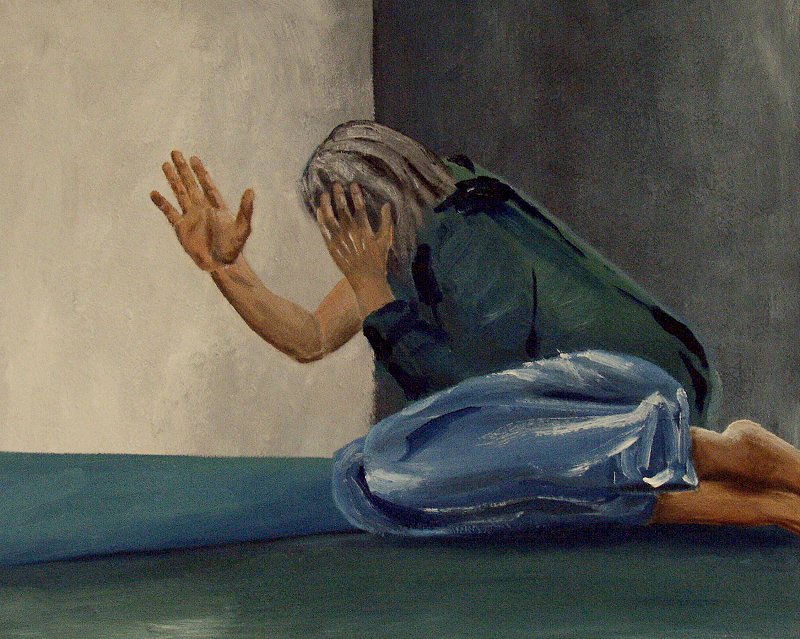
existentialist work. It presents itself as an excerpt from the rambling memoirs of a bitter, isolated, unnamed narrator (generally referred to by critics as Underground Man) who is a retired civil servant living in
St. Petersburg." "Like many of
Dostoevsky's novels, Notes from Underground was unpopular with
Soviet literary critics due to its explicit rejection of socialist
utopianism and its portrait of humans as irrational, uncontrollable, and uncooperative. Many existentialist critics, notably
Jean-Paul Sartre, considered the novel to be a forerunner of existentialist thought and an inspiration to their own philosophies."
Notes from underground has been described by
Walter Kaufmann as "the best overture for existentialism ever written". Today the notes remain as valid as ever -- who cannot see in the main character the defeated ideals of a whole generation of Iranians. Anyway, I am going to put up the whole work in book blog format. Here are some excerpts:
I AM A SICK MAN.... I am a spiteful man. I am an unattractive man.
I believe my liver is diseased. However, I know nothing at all about my disease, and do not know for certain what ails me. I don't consult a doctor for it, and never have, though I have a respect for medicine and doctors. Besides, I am extremely superstitious, sufficiently so to respect medicine, anyway (I am well-educated enough not to be superstitious, but I am superstitious). No, I refuse to consult a doctor from spite. That you probably will not understand. Well, I understand it, though. Of course, I can't explain who it is precisely that I am mortifying in this case by my spite: I am perfectly well aware that I cannot "pay out" the doctors by not consulting them; I know better than anyone that by all this I am only injuring myself and no one else. But still, if I don't consult a doctor it is from spite. My liver is bad, well -- let it get worse!
Now I am forty. I used to be in the government service, but am no longer. I was a spiteful official. I was rude and took pleasure in being so. I did not take bribes, you see, so I was bound to find a recompense in that, at least.........................When petitioners used to come for information to the table at which I sat, I used to grind my teeth at them, and felt intense enjoyment when I succeeded in making anybody unhappy. I almost did succeed. For the most part they were all timid people -- of course, they were petitioners.
I did not know how to become anything; neither spiteful nor kind, neither a rascal nor an honest man, neither a hero nor an insect. Now, I am living out my life in my corner, taunting myself with the spiteful and useless consolation that an intelligent man cannot become anything seriously, and it is only the fool who becomes anything. Yes, a man in the nineteenth century must and morally ought to be pre-eminently a characterless creature; a man of character, an active man is pre-eminently a limited creature. That is my conviction of forty years. I am forty years old now, and you know forty years is a whole lifetime; you know it is extreme old age. To live longer than forty years is bad manners, is vulgar, immoral. Who does live beyond forty?.....................
I am a collegiate assessor. I was in the service that I might have something to eat (and solely for that reason), and when last year a distant relation left me six thousand roubles in his will I immediately retired from the service and settled down in my corner. I used to live in this corner before, but now I have settled down in it. My room is a wretched, horrid one in the outskirts of the town. My servant is an old country-woman, ill-natured from stupidity, and, moreover, there is always a nasty smell about her...............................The more conscious I was of goodness and of all that was "sublime and beautiful," the more deeply I sank into my mire and the more ready I was to sink in it altogether. But the chief point was that all this was, as it were, not accidental in me, but as though it were bound to be so. It was as though it were my most normal condition, and not in the least disease or depravity, so that at last all desire in me to struggle against this depravity passed.
the street, no sound was to be heard. The street lamps gave a disconsolate and useless glimmer. I ran two hundred paces to the cross-roads and stopped short.
Where had she gone? And why was I running after her?.................................
And, indeed, I will ask on my own account here, an idle question: which is better -- cheap happiness or exalted sufferings? Well, which is better?
keep posted for the notes


 have you ever been asked for a credit card number on the net by someone (or site) you don't want to give your real name to? worry no more, visit darkencoding for that credit card number. also visit the DNS stuff link --very useful.


